We’ve all been there: typing a name into a search engine to see what the internet "knows." But in 2026, the game has changed. People aren't just Googling you anymore; they are asking AI.
As Large Language Models (LLMs) like ChatGPT become the primary interface for information, a new question keeps brands and professionals up at night: "Is ChatGPT mentioning me, and if so, what is it saying?"
Unlike a static web page, ChatGPT is a "black box" of sorts. However, understanding your presence within these models is the next frontier of digital reputation. Here is how you can track, find, and optimize your presence in the age of AI.
When a user asks, "What are the best SEO tools for startups?" or "Who is the leading expert in sustainable architecture?", you want your name to be on the tip of the AI's digital tongue. If a ChatGPT mention tracker isn't part of your strategy, you’re essentially flying blind in the most important recommendation engine of the decade.
Visibility in AI isn't just about ego; it’s about LLM Optimization (LLMO). If the model doesn't "know" you, you don't exist for a significant portion of your target audience.
Tracking mentions within a generative model is different from tracking a hashtag on X (Twitter). Here are three ways to get a pulse on your AI reputation:
- The Direct Audit: Use specific prompts to test the model’s knowledge. Instead of asking "Do you know me?", ask "Who are the top players in [Your Industry]?" or "What is the reputation of [Brand Name]?"
- Sentiment Monitoring: Is the AI describing your brand as "affordable" or "premium"? "Reliable" or "outdated"?
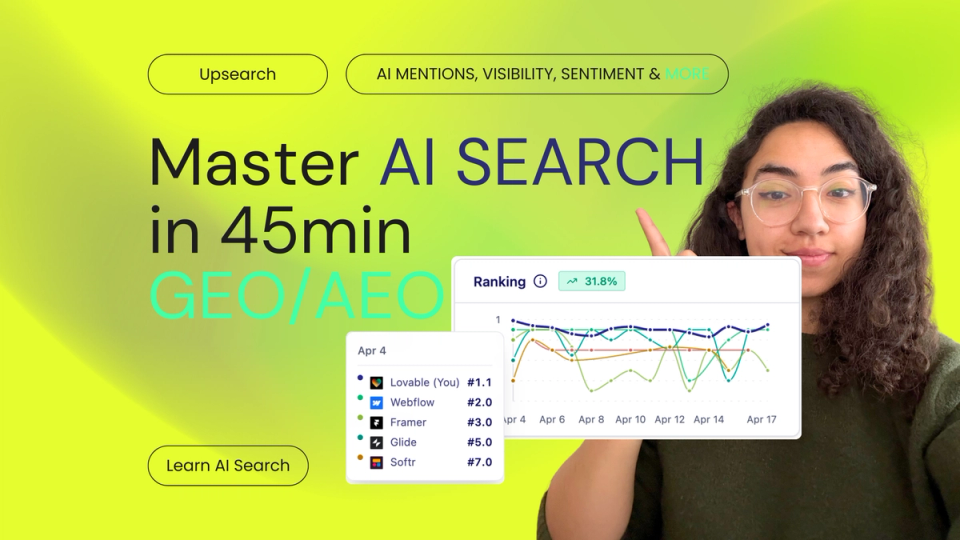
- Third-Party Analytics: Using a dedicated ChatGPT mention tracker or specialized AI visibility tools can provide data-driven insights that a manual chat simply can't.
Pro Tip: AI models are trained on high-authority data. To increase your mentions, focus on getting featured in reputable industry publications and maintaining a robust Upsearch strategy that prioritizes high-quality backlinking.
If you find that the mentions are sparse or inaccurate, it’s time to optimize. AI models look for patterns and consensus across the web. To influence the "brain" of ChatGPT, you need to ensure your data is structured, consistent, and widely cited.
- Be the Source: Publish original research and case studies.
- Update Your Bio Everywhere: Ensure your LinkedIn, Crunchbase, and About Us pages share a unified narrative.
- Internal Link Architecture: Help AI crawlers understand the relationship between your pages. A well-placed internal link to your case studies or FAQ section ensures that when an LLM scrapes your site, it sees a clear hierarchy of authority.
We are moving away from a world of "blue links" and into a world of "concise answers." Whether you are a founder or a marketing lead, staying ahead of the curve means knowing exactly how AI perceives you. Utilizing a ChatGPT mention tracker is no longer a luxury, it’s a prerequisite for digital survival.
For more insights on how to dominate the new era of search visibility, check out the latest SEO standards by Moz or explore Search Engine Journal’s guide to AI .